

TOBACCO CONTROL SCALE
Invited Speakers
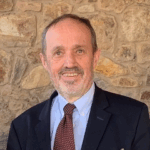
LUK JOOSSENS
Senior Advisor
Smoke Free Partnership
Close
For almost 50 years, Luk Joossens has contributed to the different aspects of tobacco control, such as Tobacco Control Scale (described in 2006 in Tobacco Control), smoking cessation, passive smoking, advertising, labelling, taxes, smuggling (more than 160 presentations around the globe), tracking and tracing, tobacco industry tactics, Belgian and EU tobacco control policy, FCTC, Protocol to eliminate illicit trade in tobacco products.
Luk Joossens worked closely together with civil society (Framework Convention Alliance, Smoke Free Partnership) and cancer leagues (Europe against Cancer (1988-1995), UICC (strategic leader 2006-2009), ECL (1995-2020) and Belgian Foundation against Cancer (2003-2016). He advised extensively international bodies on tobacco control such as the World Health Organization (from 1990 to 2025), the World Bank, The European Commission and the FCTC secretariat.
In 1991, he received the World Health Organization Commemorative Award and Medal for promoting the concept of tobacco-free societies. In 2006, he received the American Cancer Society “Luther Terry Award” for Outstanding Individual Leadership in Tobacco Control and in 2015 the World Health Organization Director-General’s Special Recognition of Contribution to Global Tobacco Control.
RESEARCH VS POLICY MAKING
FOR TOBACCO CONTROL
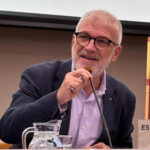
ESTEVE FERNÁNDEZ MUÑOZ
Secretary for Public Health of the Department of Health
of the Government of Catalonia
Close
Dr. Esteve Fernández graduated in Medicine at the Universitat Autònoma de Barcelona in 1990. From 1990 to 1994, he trained at the Clinical and Molecular Cancer Epidemiology Research Unit of the Municipal Institute of Medical Research and the Universitat Autònoma de Barcelona, where he obtained a Master’s and a PhD in Public Health and Research Methodology in 1995. After a postdoctoral stay at the Laboratory of General Epidemiology at the “Mario Negri” Institute for Pharmacological Research in Milan (1994-1995), he joined the Institute of Public Health of Catalonia as researcher and teaching coordinator (1995-2000). In 2003, he obtained the title of Specialist in Preventive Medicine and Public Health.
From 2001 until his appointment as Secretary for Public Health of the Department of Health of the Government of Catalonia in August 2024, he worked at the Catalan Institute of Oncology, where he served as the head of the Cancer Prevention and Control Program and director of the WHO Collaborating Centre for Tobacco Control. He has primarily taught at the University of Barcelona, where he served as an assistant and then tenured associate professor, and since 2019, as a professor of Public Health.
Esteve Fernández has focused his career on research and teaching, particularly in epidemiological and implementation research for primary cancer prevention and early detection, with a special focus on tobacco control. His research has involved coordinating or participating in more than 50 competitive projects, publishing over 500 scientific publications (articles and book chapters), and giving more than 100 presentations at epidemiology, public health, and tobacco control conferences. He has also served as editor-in-chief of the journal Gaceta Sanitaria (2004-2010), president of the Spanish Society of Epidemiology (2013-2015), and academic director of the Public Health School of Menorca (2015-2020).
TOBACCO ENDGAME
(ERS statement)

FILIPPOS FILIPPIDIS
Chair of the Tobacco Control Committee
of the European Respiratory Society
Close
Dr Filippos Filippidis is the current Chair of the Tobacco Control Committee of the European Respiratory Society, supporting the ERS’ work on national and international tobacco control advocacy and policy. He is also an Associate Professor in Public Health at the School of Public Health, Imperial College London, where he also holds the role of Director of Education. He has a background in medicine, health promotion, epidemiology and public health, with studies at the National and Kapodistrian University of Athens, Harvard T.H. Chan School of Public Health and Imperial College. The focus of his research is on the epidemiology of tobacco use, including emerging tobacco and nicotine products, and the evaluation of tobacco control policies in Europe, as well as in Low- and Middle-Income Countries. Examples include studies examining the impact of tobacco taxation and smoke-free legislation on tobacco consumption and health outcomes, especially related to child health. He is also interested in exploring and preventing industry interference in public health policies. He has published more than 180 articles in peer-reviewed journals.
TOBACCO INDUSTRY INTERFERENCE

ERIN ROMAN
Director
Smoke Free Partnership
Close
Erin Roman joined the Smoke Free Partnership (SFP) in October 2024 as a Fellow through the School for Moral Ambition. Through her work at SFP, she actively supports EU-level tobacco control initiatives, contributing to policy reforms on taxation, product regulation, and advertising. She works closely with policymakers, stakeholders, and advocacy coalitions to advance Europe’s public health agenda and reduce the harms caused by tobacco.
Erin holds a PhD in Business Economics from KU Leuven. Her doctoral research explored the application of the Value-Based Healthcare framework to improve resource allocation and efficiency in healthcare systems, bridging insights from healthcare management, operations, and finance. Her academic work has been published in respected journals including Health Policy, BMJ Open, BMC Health Services Research, and Dermatology.
Beyond her research, she shares her expertise as a Visiting Professor of International and Global Marketing at Hasselt University. She also brings industry experience from roles in business innovation and financial strategy.
Originally from South Africa and now based in Belgium, she combines academic rigor with practical policy engagement. She is passionate about driving forward tobacco control and broader public health reforms, with the vision of having a meaningful impact in healthcare and society.
WHO FRAMEWORK CONVENTION ON TOBACCO CONTROL (FCTC)

KRISTINA MAUER-STENDER
Regional Advisor for Tobacco Control
WHO Regional Office for Europe
Close
Kristina Mauer-Stender is a senior public health executive with more than 20 years of managerial experience and a strong international background. She has overseen complex public health programmes across more than 20 countries. She holds master’s degrees in international public law and comparative human rights law from Strasbourg, France.
Ms Mauer-Stender joined the World Health Organization (WHO) in 2003 as a Technical Officer in the Tobacco Control Programme at the WHO Regional Office for Europe in Copenhagen. She later served as Programme Manager and, since 2015, has led the WHO tobacco control programme for the European Region. In this role, she provides strategic advice to ministries of health and policymakers across health and other sectors.
Her work focuses on advancing evidence-based tobacco control policies in line with the WHO Framework Convention on Tobacco Control (FCTC) and strengthening national capacities for its effective implementation. She works closely with policymakers and multisectoral partners in approximately 25 countries and engages with all 53 countries of the European Region through regional consultations and ministerial processes.
Ms Mauer-Stender also led the development of the WHO European vision for a tobacco-free Region, following the 2013 Ashgabat Declaration, as well as the 2015–2025 roadmap to strengthen FCTC implementation, which was endorsed by all 53 Ministers of Health in the European Region.
In recent years, she has served as Acting Divisional Director, where her leadership contributed to increased staff engagement and was recognized with the WHO Director-General’s Award of Excellence. She currently serves as Regional Advisor for Tobacco Control at the WHO Regional Office for Europe.
TAXATION AND FISCAL POLICIES
(focus on Italy)
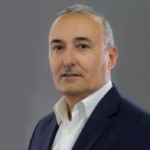
ÁNGEL LÓPEZ-NICOLÁS
Professor of Economics
Universidad Politécnica de Cartagena
Close
Professor of Applied Economics at the Universidad Politécnica de Cartagena. His research lies at the intersection of health economics, public finance, and public policy evaluation, with a particular focus on tobacco control. Over the past decade, he has contributed extensively to the economic analysis of tobacco taxation, regulatory interventions, and their impact on consumption, health outcomes, and government revenues. His work combines quantitative analysis with policy-oriented analysis and has informed debates at national and European levels.
His recent work has concentrated on the European Union’s proposed revision of the Tobacco Tax Directive (TTD). He has examined the structure of excise duties, minimum tax floors, cross-country price differentials, and substitution between cigarettes and other nicotine products. Using econometric modelling and policy simulation techniques, his research evaluates the likely effects of alternative tax designs on prices, demand, tax revenues, and public health across EU Member States. This work also includes evidence-based recommendations aimed at strengthening the effectiveness of the TTD reform, enhancing fiscal coherence, reducing opportunities for cross-border shopping and illicit trade, and maximizing the Directive’s contribution to tobacco control objectives.
YOUTH AND ADOLESCENCE – ESPAD

SABRINA MOLINARO
Head of the Department of Epidemiology and Health Services
Institute of Clinical Physiology
National Research Council of Italy – CNR
Close
Sabrina Molinaro is the Director of the Laboratory of Epidemiology and Health Services Research at the Institute of Clinical Physiology of the National Research Council (IFC-CNR). The Laboratory is composed of a multidisciplinary team of 29 professionals. Over the years, she has conceived and led more than 70 research projects, including competitive (European and national) calls and institutional collaborations with the Presidency of the Council of Ministers and Public Authorities. She has also coordinated several collaborative projects with the European Drug Agency (EUDA) and the Pompidou Group of the Council of Europe. Since 2016, she has coordinated the ESPAD (European School Survey Project on Alcohol and Other Drugs), a transnational study involving 49 countries across Europe in partnership with EMCDDA, aimed at monitoring risk behaviours and substance use among adolescents. She has authored more than 190 peer-reviewed scientific publications in international journals.
Her main research lines can be summarised into three areas:
POPULATION STUDIES TO ENABLE THE MONITORING OF HEALTH RISK BEHAVIOURS IN HIDDEN POPULATIONS (e.g., individuals with substance use disorders, pathological gamblers) The study of hidden populations has always been her primary area of interest. To estimate their prevalence, she has developed ad hoc surveys and ecological studies based on the integration of different data sources.
DEVELOPMENT OF ANALYTICAL MODELS FOR THE PUBLIC HEALTH SYSTEM AND PRECISION MEDICINE Thanks to her interdisciplinary research group, she has gained expertise in integrating heterogeneous data sources anging from healthcare records to clinical and self-reported data to analyze disease as a continuum from pre-clinical risk to illness. She also applies artificial intelligence to enhance care pathway effectiveness, with the aim of developing replicable models to support health policy planning.
EVALUATION OF HEALTH POLICIES THROUGH INNOVATIVE ECONOMETRIC MODELS The objective is to integrate her expertise in hidden populations, care pathways, health policy modelling, and impact evaluation to create a shared framework between
economics and epidemiology, ultimately providing policymakers with robust evidence-based evaluation tools.
SPORT AND TOBACCO-FREE PROMOTION

THOMAS ZANDONAI
Head of Pharmacology, Health, and Addiction in Exercise Laboratory (PHAE Lab)
Miguel Hernández University – Elche
Close
Dr. Thomas Zandonai earned his PhD in Translational Biomedicine (Pharmacology)
from the Neuropsychopharmacology Laboratory at the University of Verona, Italy
(2014), and holds a Master’s Degree in Sport Sciences (2010, with honors). His research
uniquely bridges pharmacology, exercise physiology, and addiction science, with a
focus on six interconnected areas: the prevalence and effects of psychoactive
(nicotine), analgesic (tramadol), and anxiolytic (benzodiazepine) drugs on exercise
and cognitive performance in sport and clinical settings; substance use disorders
(SUD); physical exercise as an adjuvant treatment for SUD and oncological diseases;
exercise addiction; drug-drug and drug-exercise interactions; and experimental and
educational anti-doping research.
Over more than a decade of international postdoctoral experience across six
universities in Italy, Spain, and Chile, Dr. Zandonai has developed a robust
methodological toolkit spanning biomedical, pharmacological, physiological, and
neurophysiological domains. From 2023 to 2025, he served as Scientific Coordinator
of the Addiction Science Lab at the University of Trento, Italy, directing a
multidisciplinary team investigating emerging and traditional addictive behaviors
across sport and clinical populations. Awarded a 2024 Ramón y Cajal Fellowship,
Spain’s most competitive fellowship distinction, he established and now leads the
Pharmacology, Health, and Addiction in Exercise Laboratory (PHAE Lab) at
Universidad Miguel Hernández de Elche since January 2026.
Dr. Zandonai has authored 60 JCR-indexed articles, with 88% published in Q1–Q2
journals, alongside 9 book chapters and 57 conference contributions. He has
supervised 27 academic works and 1 completed PhD, with 3 doctoral students
currently under his mentorship. He serves as Associate Editor of Emerging Trends in
Drugs, Addictions, and Health and as Editorial Board Member of Performance
Enhancement and Health, reflecting his recognized standing in the international
scientific community.
from the Neuropsychopharmacology Laboratory at the University of Verona, Italy
(2014), and holds a Master’s Degree in Sport Sciences (2010, with honors). His research
uniquely bridges pharmacology, exercise physiology, and addiction science, with a
focus on six interconnected areas: the prevalence and effects of psychoactive
(nicotine), analgesic (tramadol), and anxiolytic (benzodiazepine) drugs on exercise
and cognitive performance in sport and clinical settings; substance use disorders
(SUD); physical exercise as an adjuvant treatment for SUD and oncological diseases;
exercise addiction; drug-drug and drug-exercise interactions; and experimental and
educational anti-doping research.
Over more than a decade of international postdoctoral experience across six
universities in Italy, Spain, and Chile, Dr. Zandonai has developed a robust
methodological toolkit spanning biomedical, pharmacological, physiological, and
neurophysiological domains. From 2023 to 2025, he served as Scientific Coordinator
of the Addiction Science Lab at the University of Trento, Italy, directing a
multidisciplinary team investigating emerging and traditional addictive behaviors
across sport and clinical populations. Awarded a 2024 Ramón y Cajal Fellowship,
Spain’s most competitive fellowship distinction, he established and now leads the
Pharmacology, Health, and Addiction in Exercise Laboratory (PHAE Lab) at
Universidad Miguel Hernández de Elche since January 2026.
Dr. Zandonai has authored 60 JCR-indexed articles, with 88% published in Q1–Q2
journals, alongside 9 book chapters and 57 conference contributions. He has
supervised 27 academic works and 1 completed PhD, with 3 doctoral students
currently under his mentorship. He serves as Associate Editor of Emerging Trends in
Drugs, Addictions, and Health and as Editorial Board Member of Performance
Enhancement and Health, reflecting his recognized standing in the international
scientific community.
SMOKE AND AEROSOL-FREE
ENVIRONMENTS (SAFE)

CONSTANTINE VARDAVAS
Coordinator
JA-SAFE (European Commission)
Close
Prof. Constantine Vardavas is a leading tobacco control figure in Europe whose work focuses on the intersection of tobacco product regulation, evidence-based policy, and public health surveillance. With an extensive background in monitoring the implementation of the European Tobacco Products Directive (TPD), Prof. Vardavas has been a central figure in providing the scientific evidence required to support the European Commission’s tobacco control legislation, including the development of the EU-CEG, the assessment of priority additives, and the assessment of tobacco product flavours. He is currently an Assistant Professor of Epidemiology and Preventive Medicine at the National and Kapodistrian University of Athens and also the Head of the Technical Group of Chemical and Sensory Assessors of the European Commission’s panel for the assessment of tobacco product flavors.
Prof. Vardavas has led numerous international consortia in evaluating the efficacy of the TPD and the regulation of tobacco products —notably EUREST-PLUS, EUREST-FLAVOURS, EUREST-RISE and also co-coordinator of the JATC-1 (EU Joint Action on Tobacco Control).
He currently serves as the Coordinator of the Joint Action on Smoke- and Aerosol-Free Environments (JA-SAFE), the largest EU funded project on tobacco control and a landmark European initiative (2025–2029) aimed at protecting citizens from secondhand smoke and aerosols while advancing the goal of a “Tobacco-Free Generation”.
A distinguished leader in European public health, Prof. Vardavas has been honored with the 2025 WHO World No Tobacco Day Award and the American Cancer Society’s “Luther L. Terry” Young Pioneer Award.
LUNG CANCER SCREENING
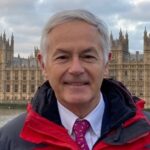
DAVID BALDWIN
Honorary Professor of Medicine and Consultant Physician
University of Nottingham
Close
David Baldwin works as a consultant respiratory physician sub-specialising in lung cancer, mesothelioma and interventional procedures. He is NHS England Lead Clinician for Lung Cancer, Chair of the UK Clinical Expert Group for Lung Cancer and works with the UK Department of Health and Social Care as an Advisor to the UK National Screening Committee. He is Honorary Professor in the School of Medicine at the University of Nottingham. He has obtained research grants from a variety of charities and NIHR in total over £40M as principal and co-applicant. His primary research interests are in lung cancer screening and lung cancer epidemiology. He was lead respiratory physician on the UK CT lung cancer screening trial (UKLS). He has published over 280 papers including three influential guidelines. He has held the positions of Honorary Secretary of the British Thoracic Society, Clinical Lead on the NICE Lung Cancer Guideline Development Group (2011), Chair of the NICE Quality Standards Group on Lung Cancer (2012), Clinical Director of the East Midlands Cancer Alliance (2017-20) and Chair of the National Cancer Research Institute Screening Prevention and Early Diagnosis Group. He was associate editor for the journals Thorax, Lung Cancer and European Radiology until 2023.
TOBACCO AND CANCER
SILVIA FRANCESCHI
Epidemiologist
Aviano Cancer Institute
Close
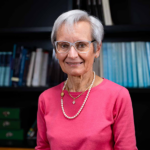
Dr Silvia Franceschi is a cancer epidemiologist with a background in gynaecology. Her scientific production (1355 publications and H-index: 154 in september 2025). She has led epidemiology groups since 1984, and has worked with top epidemiology groups (e.g., at the Oxford University, National Cancer Institute of the US, Germany, China, India, Republic of Korea, Thailand, and Colombia). She especially focused on women’s cancers: breast, ovary, endometrium and, most of all, cervix uteri. At IARC (2000-2017), she has been mainly carrying out studies on viruses and cancer in intermediate- and low-resource countries taking advantage of, but also contributing to the progress in cervical cancer prevention (HPV vaccine, and cervical screening). She is currently also interested in strengthening primary prevention and assessing cancer overdiagnosis/overtreatment. She has been Research Director at the Aviano Cancer Institute, IRCCS, Italy from 2018 to October 2025. Since then, she has been Senior Visiting Scientist in the same institute.
SURVEILLANCE SYSTEM

GEOFFREY FONG
Professor of Psychology and Public Health Sciences
University of Waterloo
Close
Geoffrey T. Fong, OC, PhD, FRSC, FCAHS, is University Professor of Psychology and Public Health Sciences at the University of Waterloo and Senior Investigator at the Ontario Institute for Cancer Research. He is Founder and Principal Investigator of the International Tobacco Control Policy Evaluation (ITC) Project, a consortium of 150 researchers across 31 countries, covering over half the world’s population. Since 2002, the ITC Project—the first and only international cohort study of tobacco use, which integrated social science theories and evaluation design into public health surveillance—has produced over 800 articles creating an extensive evidence base for the WHO Framework Convention on Tobacco Control. More recently, ITC has expanded to examine the impact of e-cigarettes, heated tobacco products, and other nicotine products, and policies regulating them. Dr. Fong has served as an expert for WHO, FCTC Secretariat, and many countries including Canada, Australia, Brazil, Malaysia, Singapore, UK, and United States, and as an expert witness in successful defenses of Australia’s plain packaging at the WTO and Uruguay’s health warnings in a trade treaty dispute. He was a member of the WHO FCTC Impact Assessment Expert Group, and developed the methodology for the evaluation of the treaty in its first decade. He was Vice-Chair of the FCTC Article 2.1 (“forward-looking measures”) Expert Group. He has published over 600 research articles (h-index=102), and his work has been cited in over 1,100 policy documents. Dr. Fong’s honours include the WHO World No Tobacco Day Award, Luther L. Terry Award, American Association of Public Opinion Research (AAPOR) Policy Impact Award, Canadian Institutes of Health Research Knowledge Translation Award, Society for Research on Nicotine and Tobacco John Slade Award and Doll-Wynder Award, and the Governor General’s Innovation Award. In 2021, Dr. Fong was appointed an Officer of the Order of Canada. In 2025, he received the King Charles III Coronation Medal and was inducted into the Canadian Medical Hall of Fame.